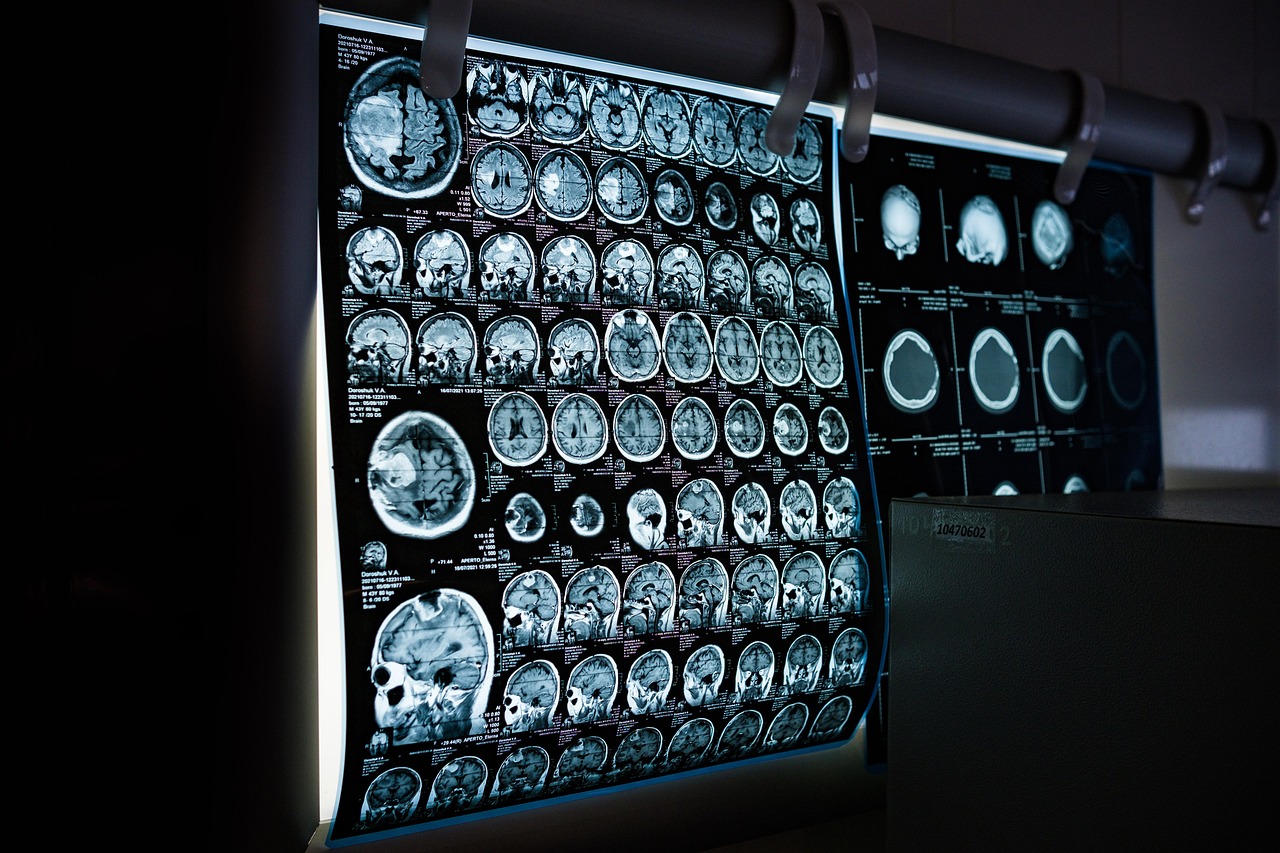
The neurology polyclinic has become a vital service center in modern medicine. This service focuses on the diagnosis and treatment of nervous system disorders. The nervous system includes the brain, spinal cord, and peripheral nerves.
Neurology is a branch of medicine that studies the structure and function of the nervous system. Disorders of this system can affect movement, sensation, and even cognitive function. Therefore, appropriate treatment is essential, starting early.
The Role of the Neurology Polyclinic in Diagnosing Nervous System Disorders
The neurology clinic plays a key role in the diagnostic process. A neurologist conducts a thorough examination. This includes a medical history and a physical neurological evaluation.
The neurological examination covers motor function, sensory function, and reflexes. The doctor also assesses coordination, balance, and speech. This helps pinpoint the exact cause of the disorder.
To confirm the diagnosis, additional tests are performed, such as an EEG (electroencephalography) and EMG (electromyography). These technologies can also measure the electrical activity of the brain and muscles in detail.
Types of Nervous System Disorders Treated
The neurology polyclinic treats various types of neurological disorders. Some of these include stroke, epilepsy, and Parkinson’s. These conditions require prompt and appropriate treatment.
A stroke occurs due to impaired blood flow to the brain. Data shows that damage can occur within minutes. Symptoms include weakness, speech problems, and vision loss.
Additionally, diseases such as multiple sclerosis and Alzheimer’s are also present. These diseases are progressive and affect cognitive function. Treatment focuses on slowing progression and improving quality of life.
Other disorders include peripheral neuropathy and chronic migraines. These conditions often cause pain and discomfort. Treatment involves both medical approaches and lifestyle changes.
Modern Treatment and Care Methods
The neurology polyclinic offers a range of modern treatment options. Initial treatment usually uses medication to reduce symptoms. This therapy is tailored to the patient’s condition.
In certain cases, further interventions are necessary, such as minimally invasive procedures or referral to neurosurgery. A trained medical team carries out this process.
Furthermore, rehabilitation therapy is also important. Programs such as physical therapy and occupational therapy help restore body function. This approach has been proven to improve patients’ quality of life.
Technologies such as MRI and CT scans also play a crucial role. These tools provide detailed images of the brain’s condition. With this data, doctors can determine more appropriate therapy.
The Importance of Early Detection and Routine Consultations
Neurology clinics encourage early detection to prevent serious complications. Many neurological diseases don’t show obvious early symptoms, and these conditions are often mistaken for minor disorders.
Symptoms such as seizures, tremors, or numbness should not be ignored. Prompt consultation helps speed up diagnosis. Early treatment increases the chances of recovery.
Preparation before the consultation is also crucial. Patients should bring their medical history and previous test results. This information also helps the doctor make a more accurate diagnosis.
Examination costs can vary depending on the method used. However, investing in neurological health is crucial. Proper treatment can prevent long-term complications. Therefore, the existence of a neurology polyclinic is a key solution for maintaining nervous system health.